PT
 EN
 ES

A road trip
Paraíba's Sertão begins about four hours from the beach and stretches to the border with Ceará. It suits travellers with at least four days who enjoy driving: the BR-230 crosses the state from east to west and links almost everything worth seeing — eighteenth-century towns, reservoirs the size of lakes, mountains and the world capital of hammocks.
- Santa Luzia: 266 km, about 4 hours
- Teixeira: 309 km, about 5 hours
- Patos: 311 km, about 4h40
- Pombal: 381 km, about 5h40
- São Bento: 382 km, about 5h40
- Coremas: 398 km, about 6 hours
- Princesa Isabel: 440 km, about 6h30
- Cajazeiras: 478 km, about 7 hours
Santa Luzia and the Seridó
Leaving Campina Grande on the BR-230, the first natural stop is Santa Luzia, in Paraíba's Seridó. In the Serra do Talhado, the quilombola community keeps alive the tradition of its potters, who shape clay pots by hand, and the town's São João is known for its traditional square dances and forró pé de serra.
Patos, Teixeira and the mountains
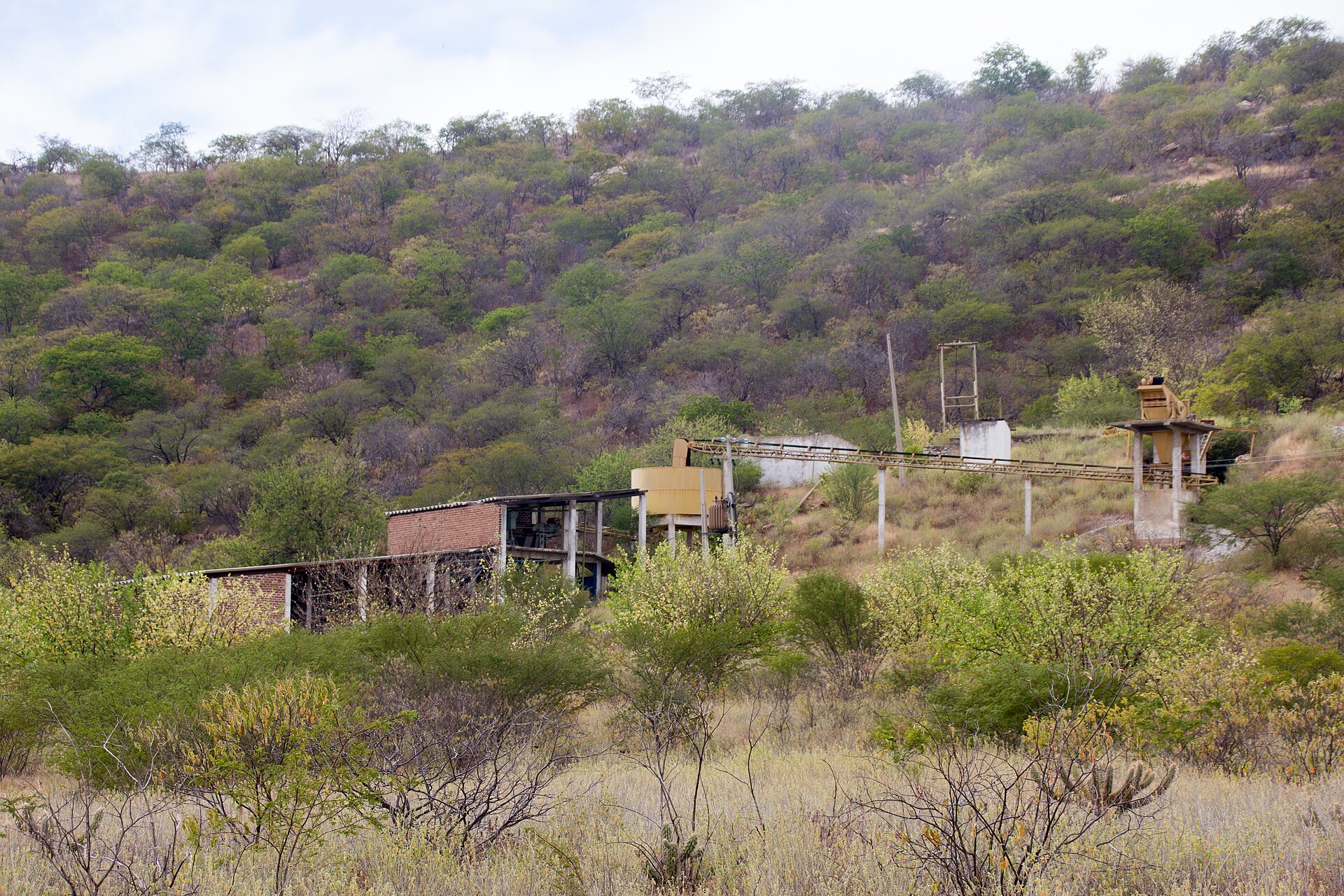
Patos is the largest town in the Sertão and a good base for the night, with the Cruz da Menina, one of the state's pilgrimage sites. From there you can see the Serra de Teixeira, where the Borborema plateau rises. In Teixeira, the Pedra do Tendó is a natural lookout, and in 2023 the town gained a park protecting the range; the Pico do Jabre, Paraíba's highest point, is 15 km away in Maturéia.

Pombal and São Bento
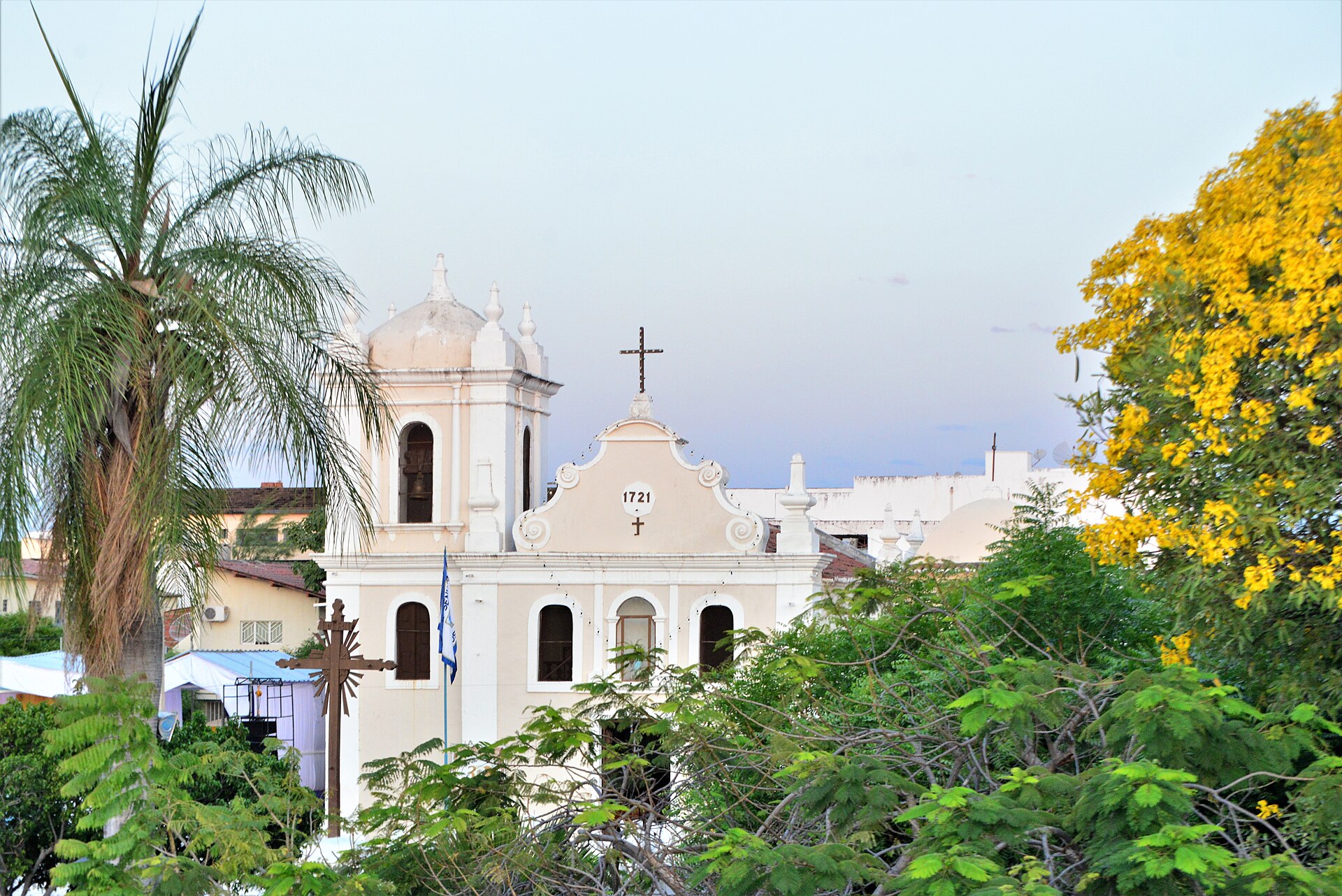
Pombal is the fourth-oldest town in Paraíba. The church of Nossa Senhora do Rosário, from 1721, is its postcard view, and in October the Rosary festival fills the town with a procession and traditions dating back to colonial times.
An hour to the north, São Bento is the world capital of hammocks: the town's factories and homes produce some 12 million hammocks a year. You can watch the weaving up close and buy directly from the makers — leave room in the car.
Coremas, the sea of the sertão
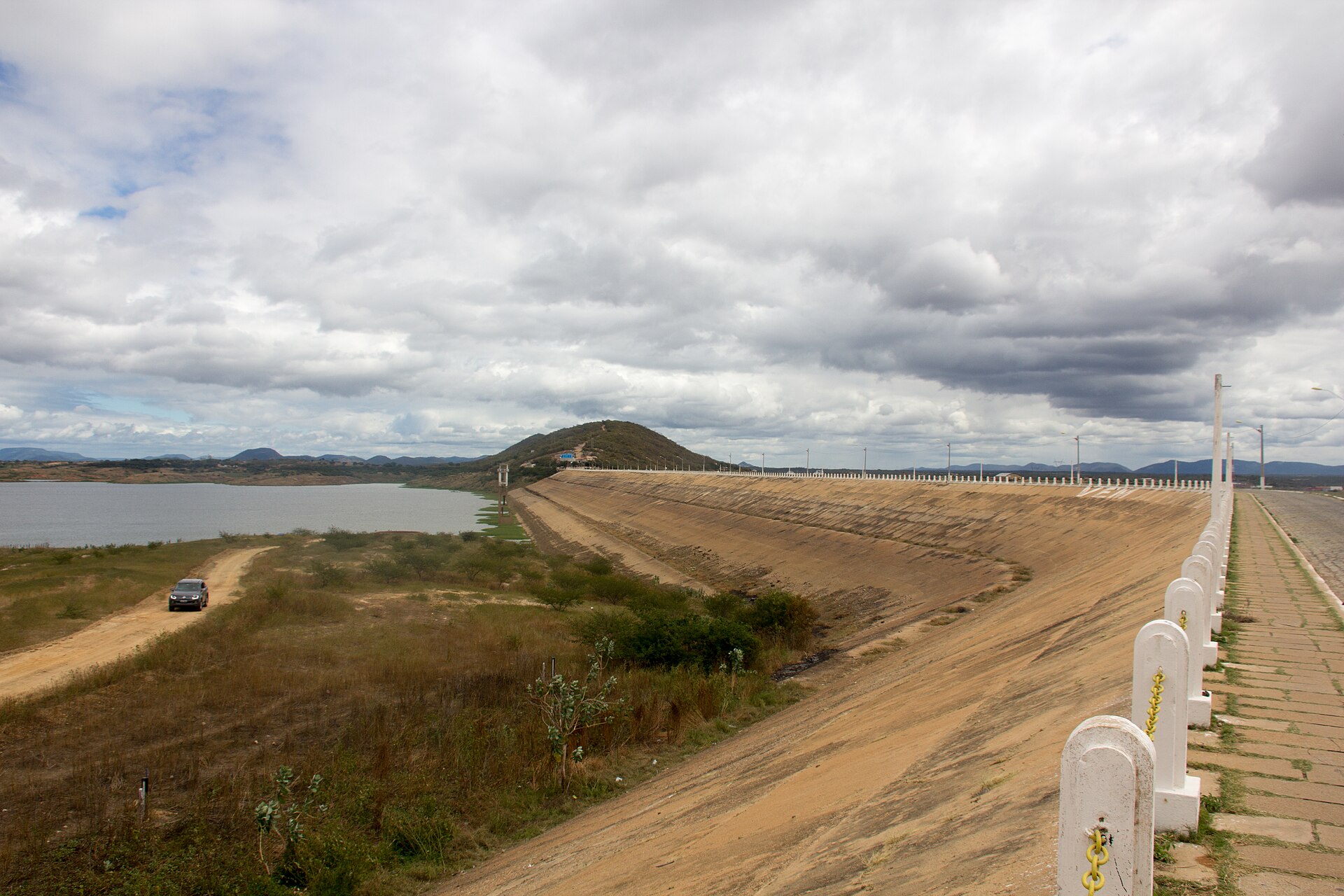
The Coremas and Mãe d’Água reservoirs form one of the largest bodies of water in Paraíba, and when they are full they look like a sea in the middle of the caatinga. There are boat trips, freshwater swimming spots, the spillway when the reservoir overflows, and the Fish Festival.
Cajazeiras and Princesa Isabel
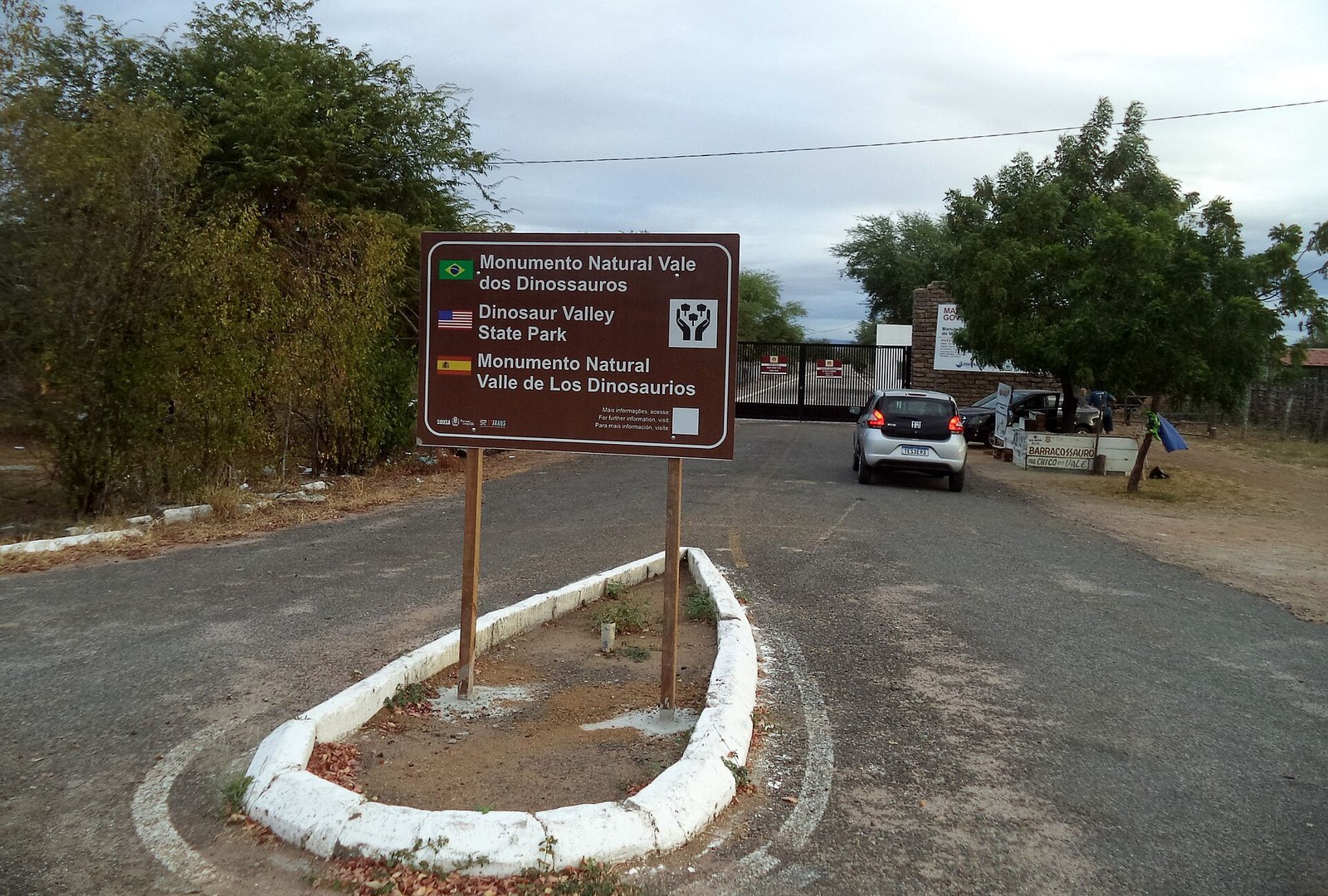
Cajazeiras, in the far west, is the town that taught Paraíba to read: in 1829 Father Inácio de Sousa Rolim opened the school there that educated generations of the sertão. The Cristo Rei statue, from 1939, watches over the town, and the Saberes da Fé route links churches and local memory. Sousa and the Valley of the Dinosaurs are 40 minutes away.
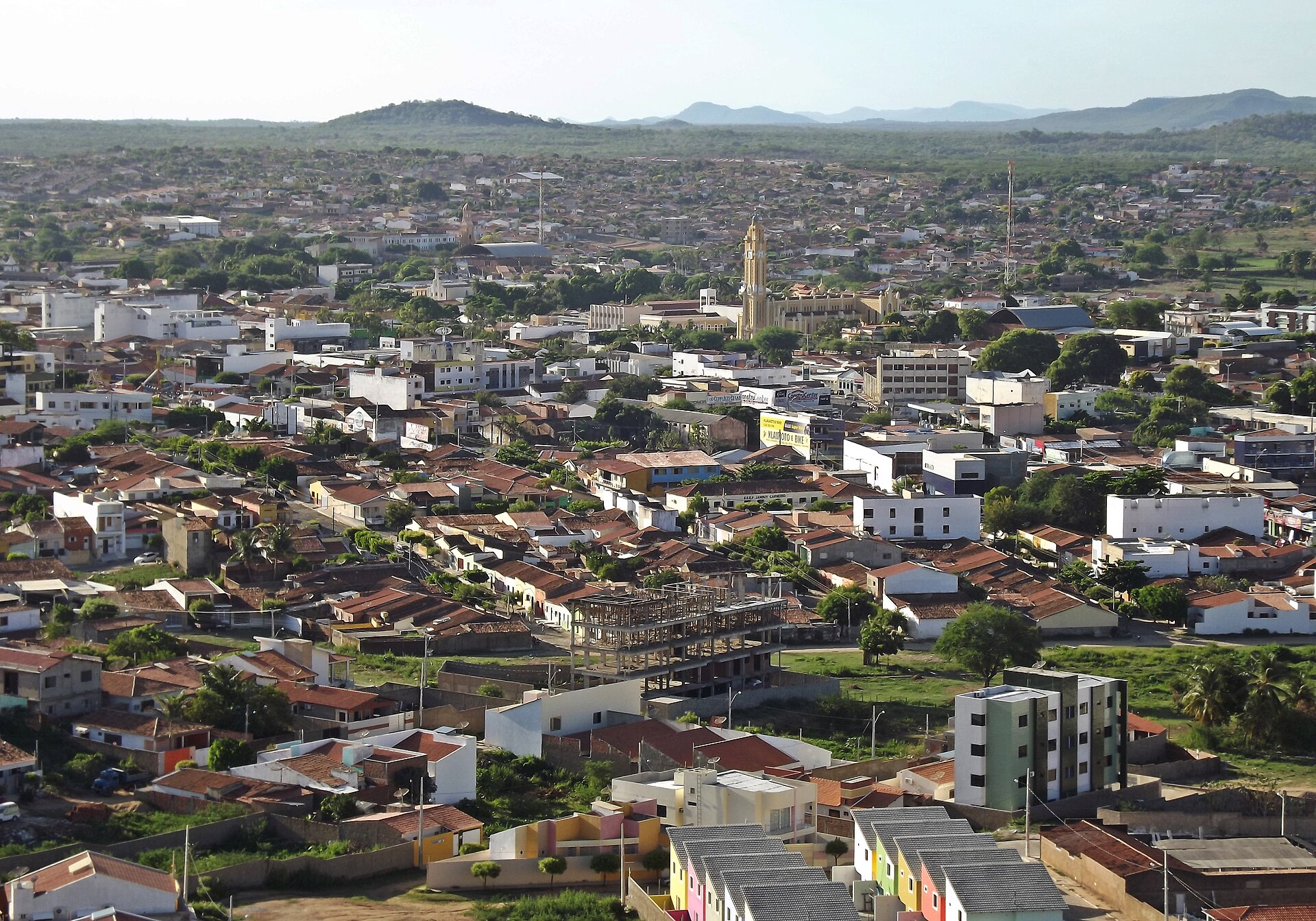
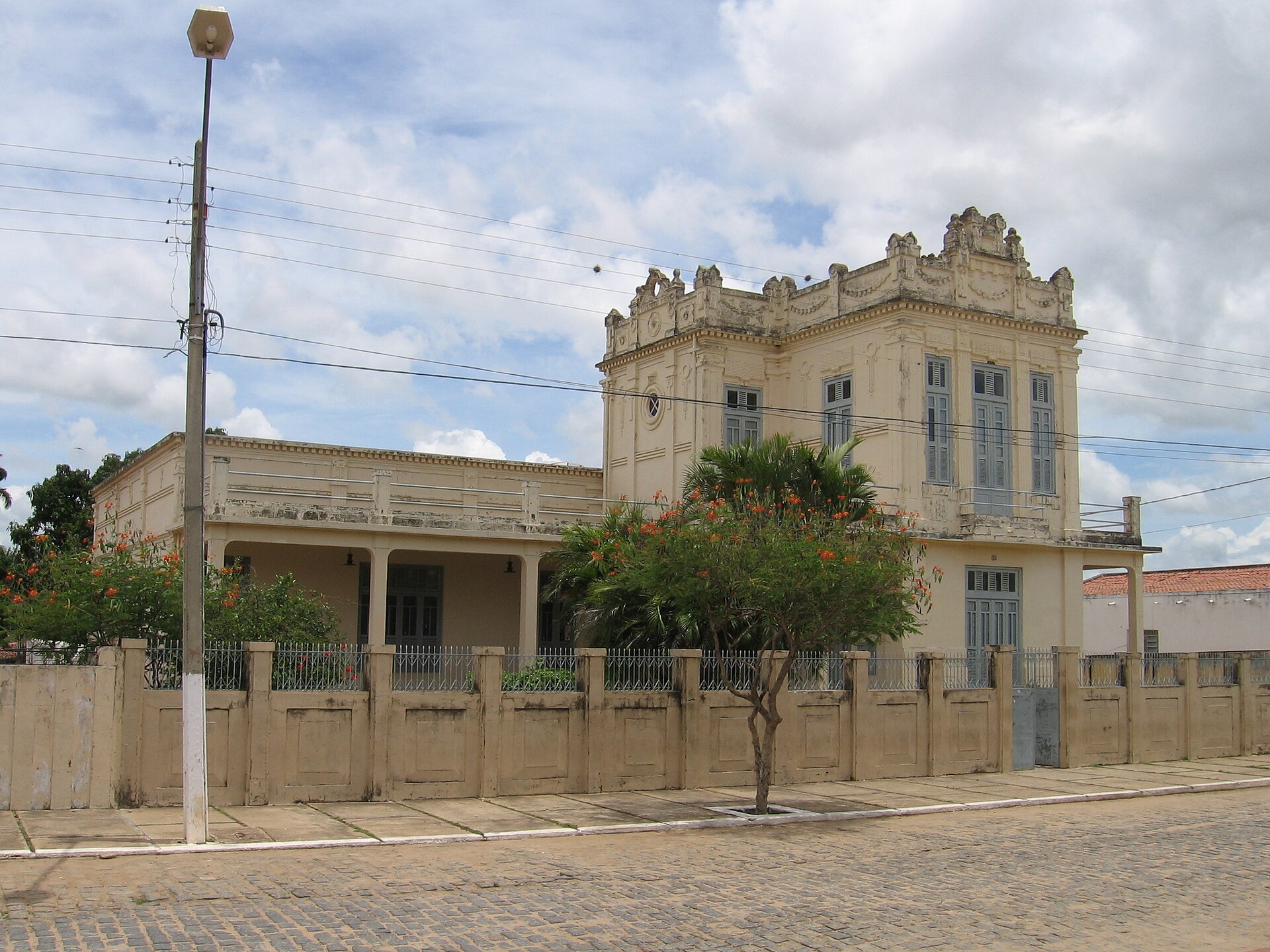
Princesa Isabel, to the south, made history in 1930, when Colonel José Pereira declared the Free Territory of Princesa and defied the state government — an episode tied to the death of João Pessoa and the Revolution of 1930. The colonel's mansion and the heritage-protected centre tell the story, and in the countryside there are waterfalls and pools for swimming in the rainy season.
How to do the trip
- Four days: Campina Grande → Santa Luzia → Patos (overnight) → Pombal and Coremas → Sousa and Cajazeiras (overnight) → return.
- Six days: add Teixeira, the Pico do Jabre, São Bento and Princesa Isabel.
- By air: Juazeiro do Norte airport, in Ceará, is about two hours from Cajazeiras and shortens the return.
- Strong heat all year; the reservoirs look best after the rains, from March to June.
Back in the capital, MAREVI manages serviced flats and apartments on the João Pessoa seafront, from Cabo Branco to Bessa, with a full kitchen and our own team. Book directly on WhatsApp and you skip the platforms' fee.