PT
 EN
 ES

A coast few people know
North of João Pessoa, past Cabedelo and Lucena, the coast empties out and the Zona da Mata keeps a history that beach itineraries leave out: a whole town built around a textile mill, an estuary where the West Indian manatee lives, and the place where the Peasant Leagues were born. All an hour's drive from the seafront.
- Sapé: 53 km, about 1 hour
- Mamanguape: 59 km, about 1 hour
- Rio Tinto: 66 km, about 1h10
- Barra de Mamanguape: 80 km, about 1h30, partly on a dirt road
Rio Tinto, the factory town
Rio Tinto grew out of a project by the Lundgren family, the same family behind the Casas Pernambucanas stores: in 1924 the Companhia de Tecidos Rio Tinto textile mill opened there, and a planned town grew around it, with workers' housing, a church, a market and schools. The mill closed in 1983, but the layout remains — streets of identical houses, sheds and exposed-brick buildings that look like a European industrial town.
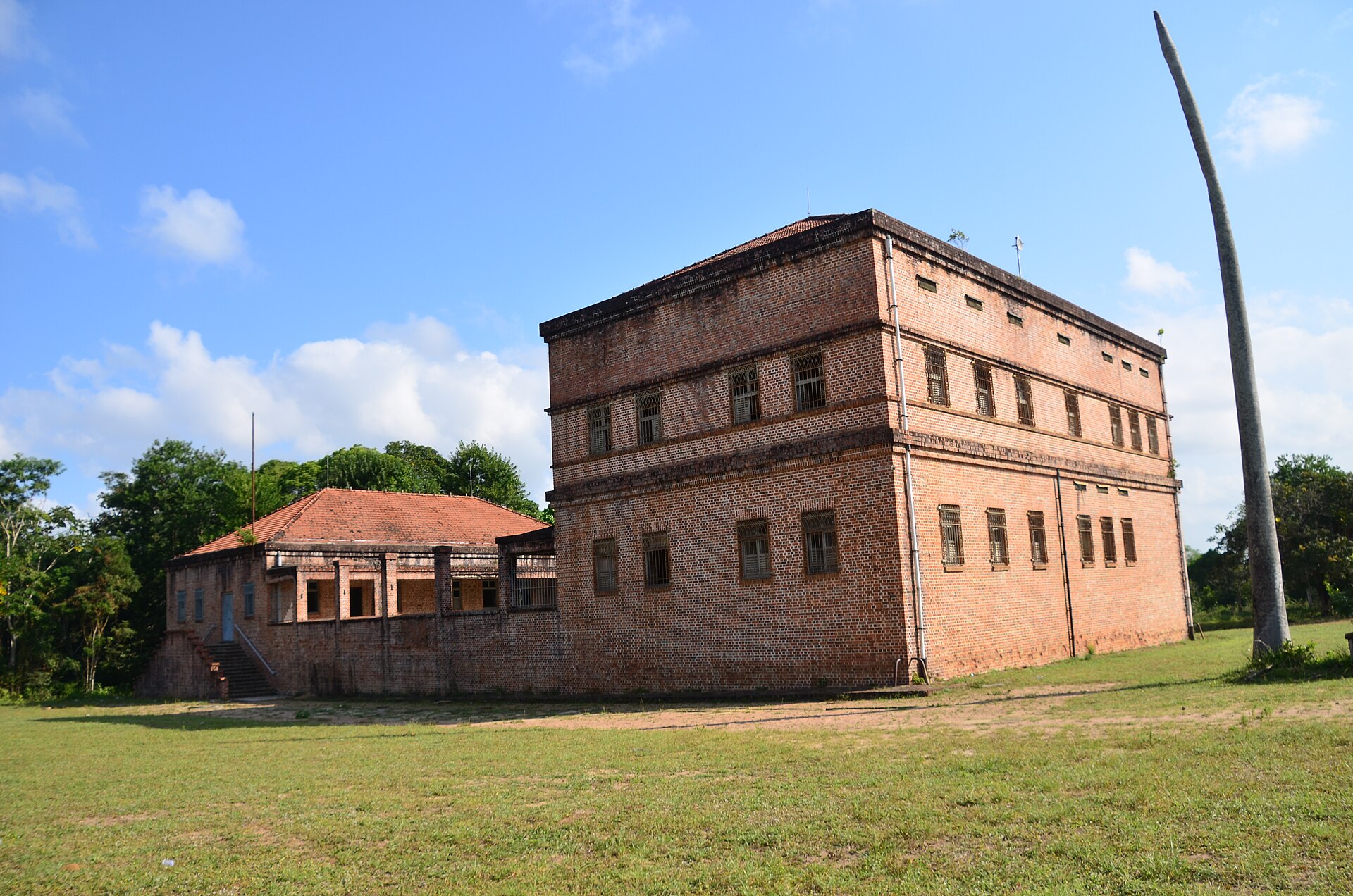
It is worth walking around the historic centre, near the church of Santa Rita de Cássia, and seeing the Lundgren mansion and the old mill buildings from outside. It takes an hour or two and there is no ticket — the town itself is the attraction.
Oiteiro and Campina beaches
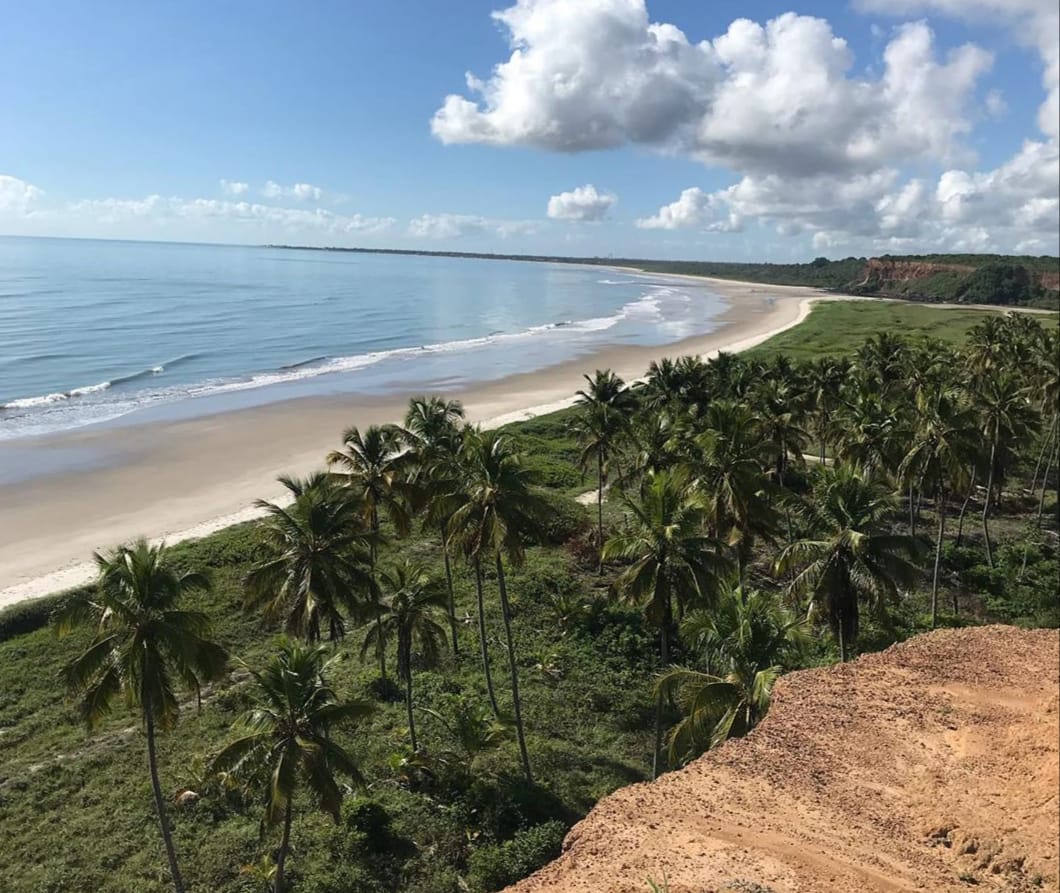
Rio Tinto's coastline runs for about 11 km and is the opposite of a city beach: coloured cliffs, dunes, untouched restinga scrub and open sea with strong waves. Oiteiro beach is the best known and draws surfers; Campina has a lookout on top of the cliff, with coconut groves as far as the eye can see. Do not expect seafront facilities — bring water and snacks.
Barra de Mamanguape and the manatee
Barra de Mamanguape is a fishing village in Rio Tinto where the Mamanguape river meets the sea. In 1993 it became an Environmental Protection Area to protect the endangered West Indian manatee and the estuary's mangroves. It is one of the places in Brazil where the species is being conserved, and the project base welcomes visitors to explain its work.
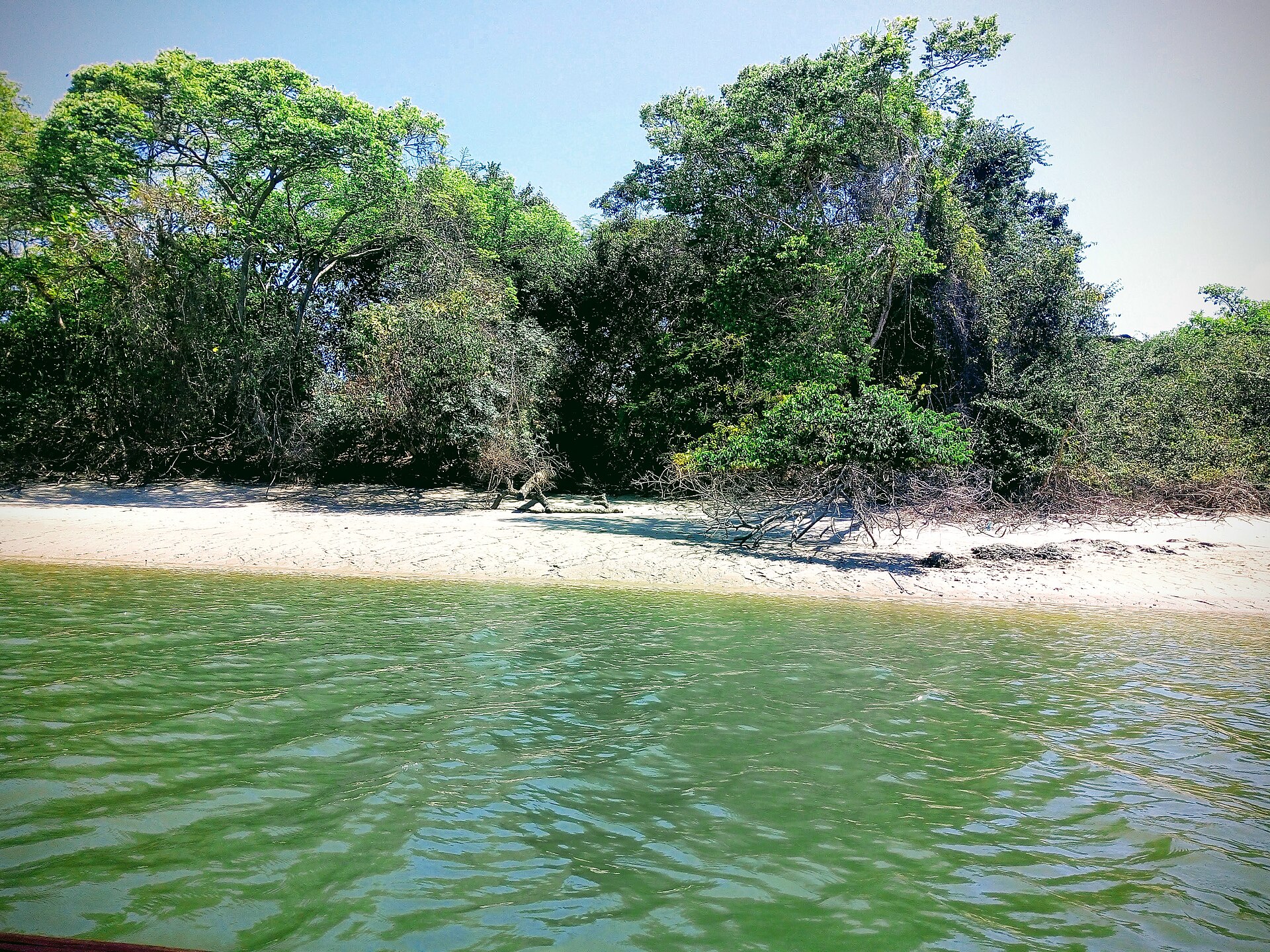
The boat trip runs through the estuary and the reefs at the river mouth, and with luck you may see a manatee. There are trails through the mangroves and Potiguara villages nearby. Go at low tide, bring insect repellent and book the boat in advance — the village is small and activity depends on the day.
- The Potiguara Trails: Paraíba's northern coast
- Baía da Traição: beach and Potiguara land
- João Pessoa tide table: how to read it and when to go
Mamanguape, an old town
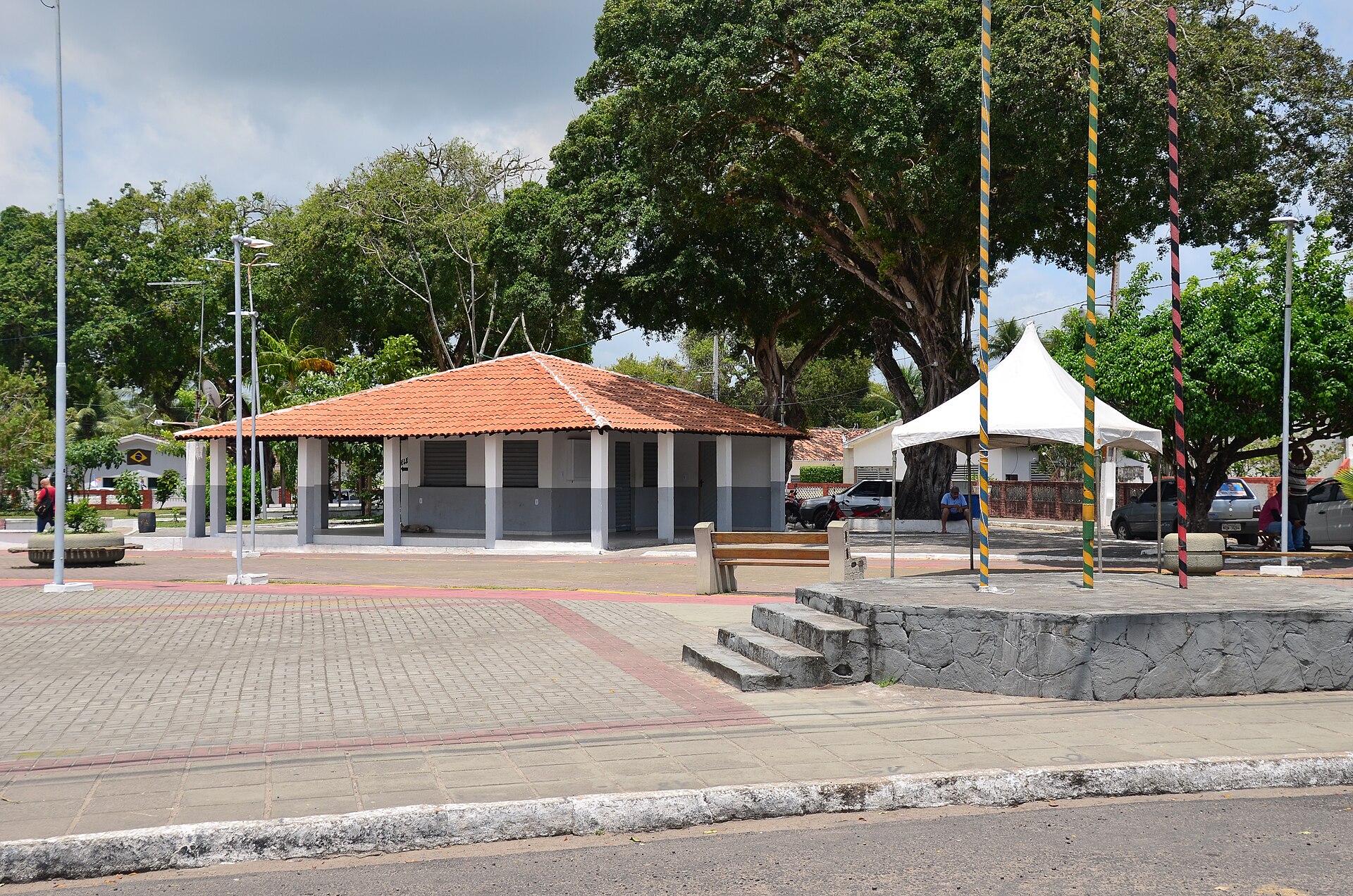
Mamanguape, on the way, is one of the oldest towns in the region, with a twin-towered main church and a bandstand in the central square. It is a good stop for lunch or fuel before heading on to the Barra or to Baía da Traição.
Sapé and the memory of the Peasant Leagues
Sapé, about an hour from the capital, was the centre of Paraíba's Peasant Leagues in the 1950s and 1960s. The Memorial das Ligas e Lutas Camponesas occupies the former home of João Pedro Teixeira and Elizabeth Teixeira, in the Barra de Antas district, and tells the story of the struggle for land in the Northeast. In 2023 the memorial received an award from Ibram, the national museums institute, and in 2025 it marked Elizabeth's hundredth birthday with an exhibition.
The town also keeps the memory of the poet Augusto dos Anjos, author of “Eu”, who was born at the Engenho Pau d’Arco sugar estate nearby. Check the memorial's opening hours before you go; visits are usually by appointment.
How to plan the day
- One day: Rio Tinto in the morning, lunch in Mamanguape and Barra de Mamanguape in the afternoon, at low tide.
- Two days: add Baía da Traição and the Potiguara trails, half an hour from the Barra.
- Half a day: Sapé lies on the BR-230 towards the Brejo and Campina Grande; you can fit it in on the way.
Back in the capital, MAREVI manages serviced flats and apartments on the João Pessoa seafront, from Cabo Branco to Bessa, with a full kitchen and our own team. Book directly on WhatsApp and you skip the platforms' fee.